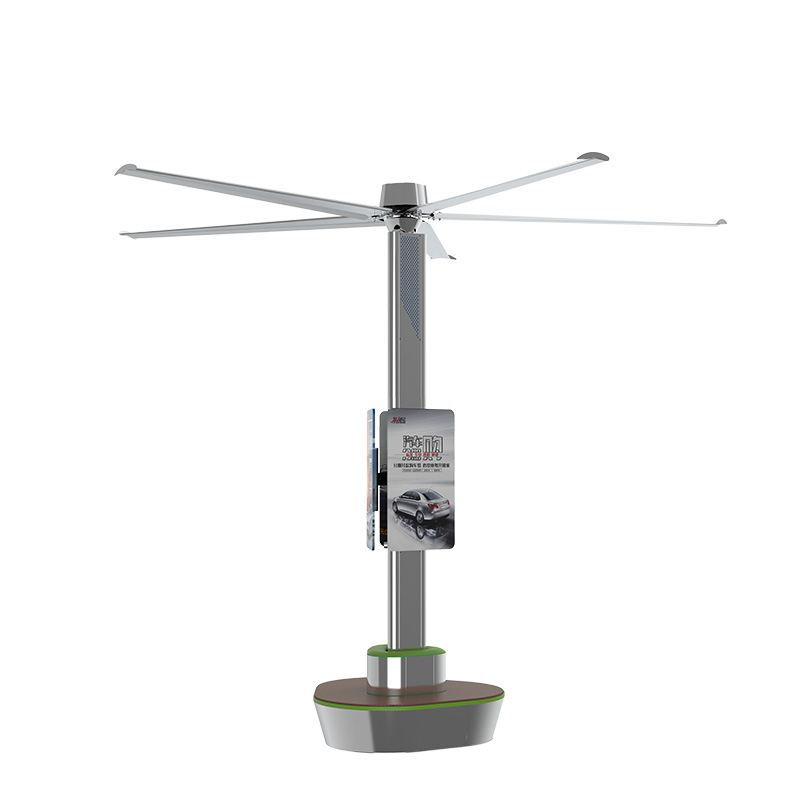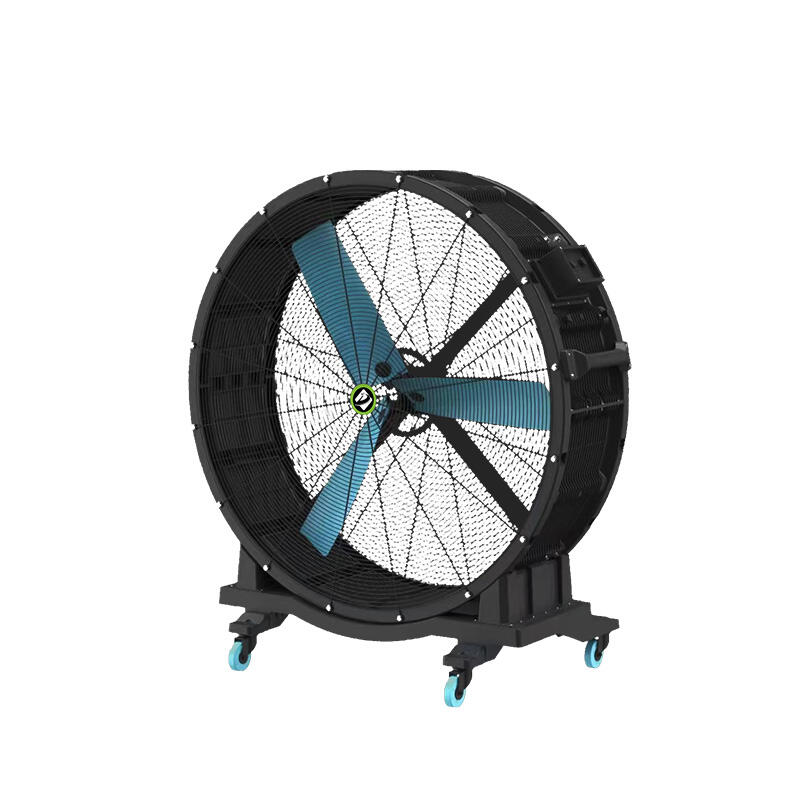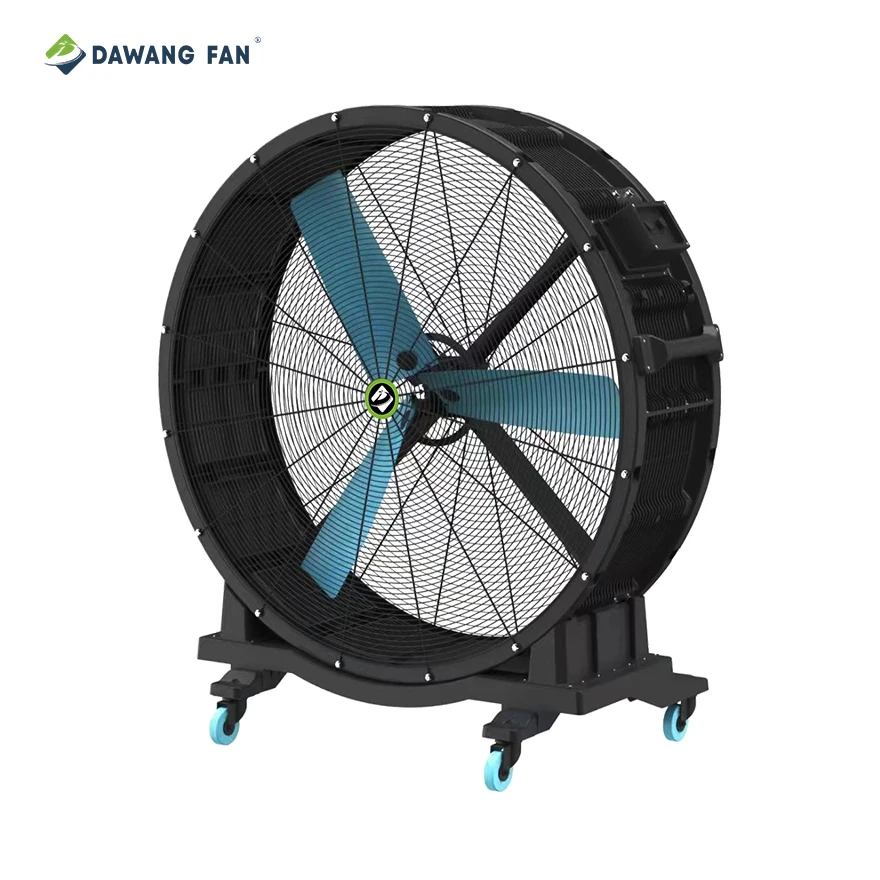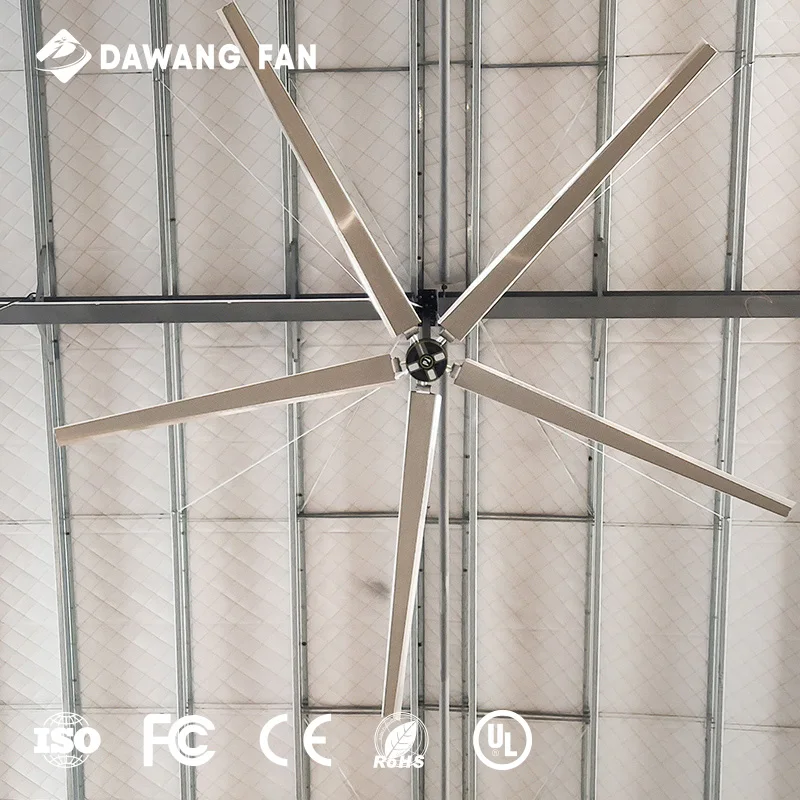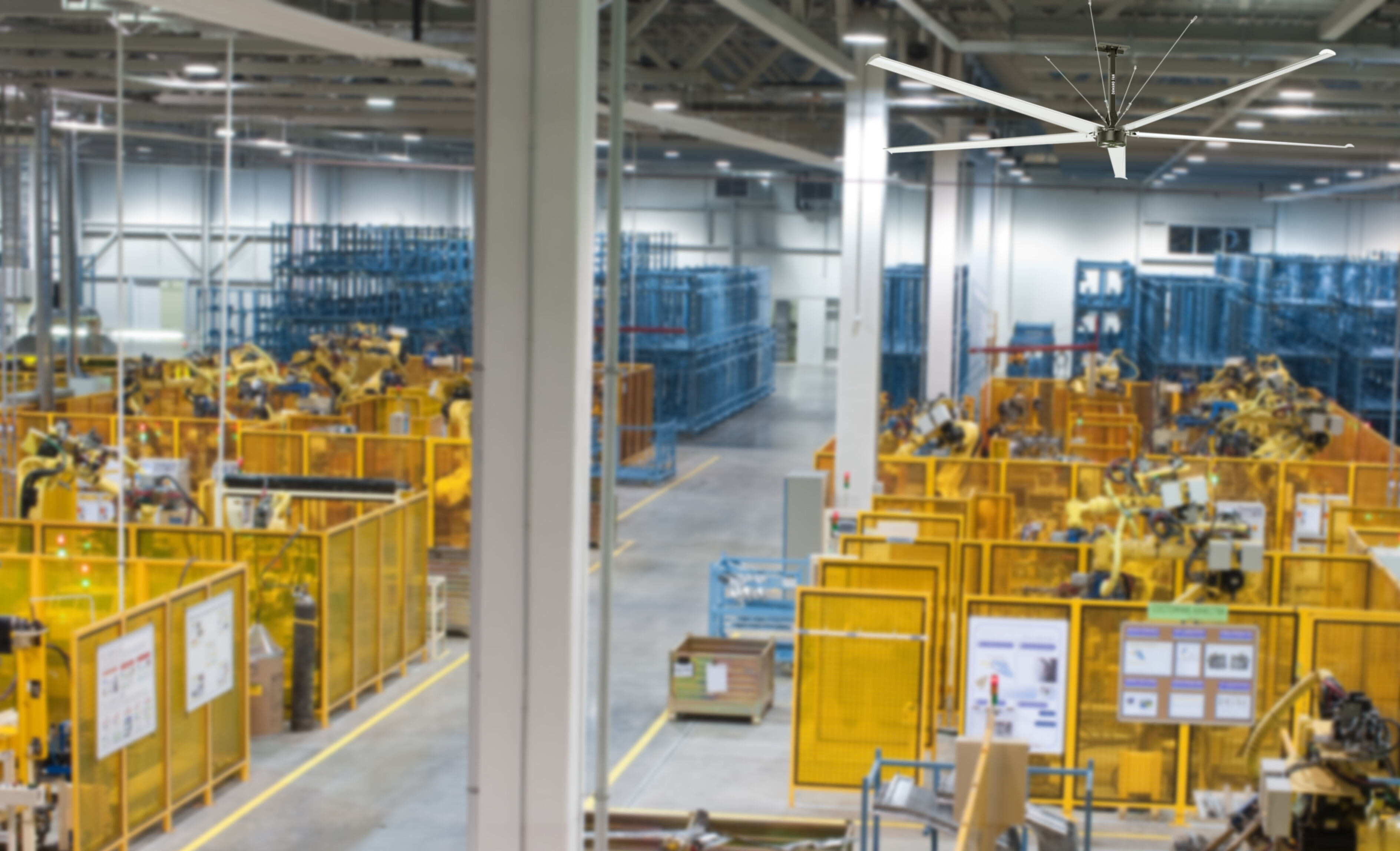
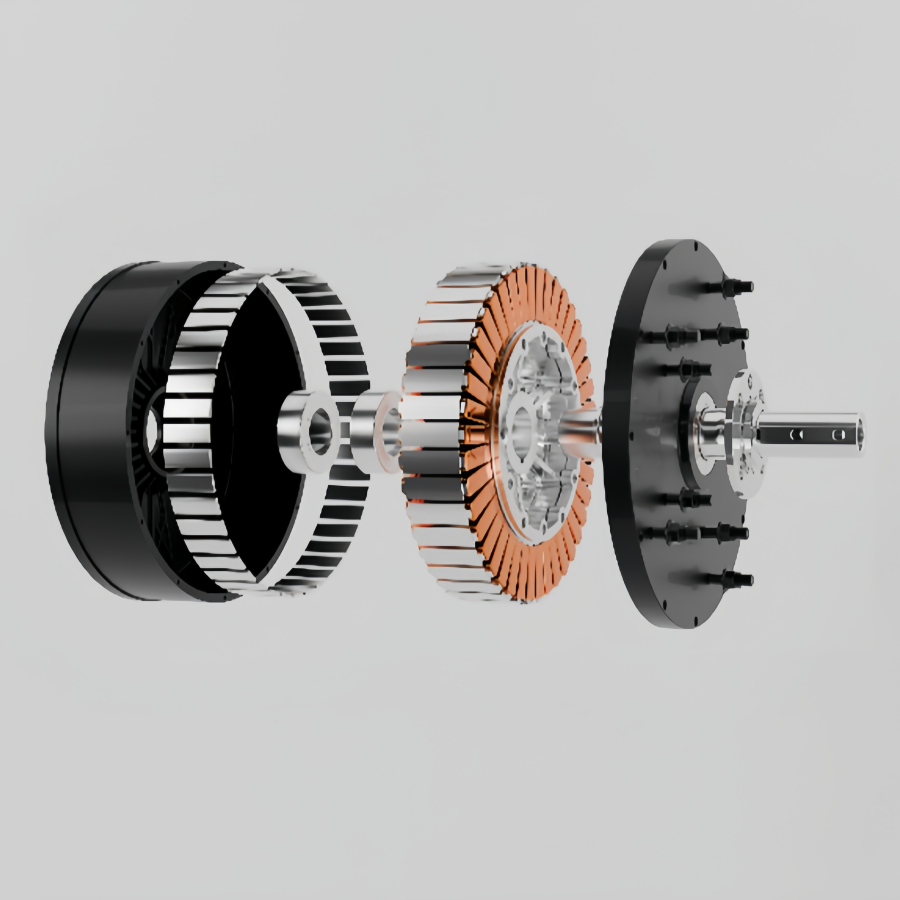
The defining characteristic of a high air volume big industrial fan is its unparalleled capacity to move a phenomenal amount of cubic feet of air per minute (CFM). This capability is not about high wind speed but about the controlled movement of a massive air mass. Performance is achieved through a combination of immense diameter (often 20 feet or more) and aerodynamically advanced airfoil blades that are designed to maximize lift and minimize drag as they rotate. The engineering focus is on optimizing the entire system—motor, blade design, and structural integrity—to work in harmony for maximum volumetric flow. The applications for such fans are found in the largest and most challenging environments: massive aircraft hangars where they help disperse exhaust fumes and regulate temperature; gigantic distribution centers spanning hundreds of thousands of square feet; and large agricultural barns where they are critical for animal comfort, moisture control, and air quality. The sheer volume of air movement is effective for rapid ventilation, quickly replacing stale indoor air with fresh air. It ensures thorough destratification in extremely tall spaces, homogenizing temperatures in buildings with ceilings over 50 feet high. It also provides evaporative cooling for livestock on a vast scale, which is essential for animal health and productivity. While moving this immense volume of air, the fans maintain the HVLS principle of low speed, ensuring the airflow is comfortable and not destructive. The efficiency of these giants is made possible by modern motor technology like PMSMs, which provide the high torque required at low RPMs without excessive energy consumption. Selecting the right size and number of fans is a complex calculation based on cubic volume, building layout, and intended purpose. For projects requiring the highest air movement capabilities, we recommend speaking directly with our application engineers for a precise airflow analysis and system recommendation.
19
Sep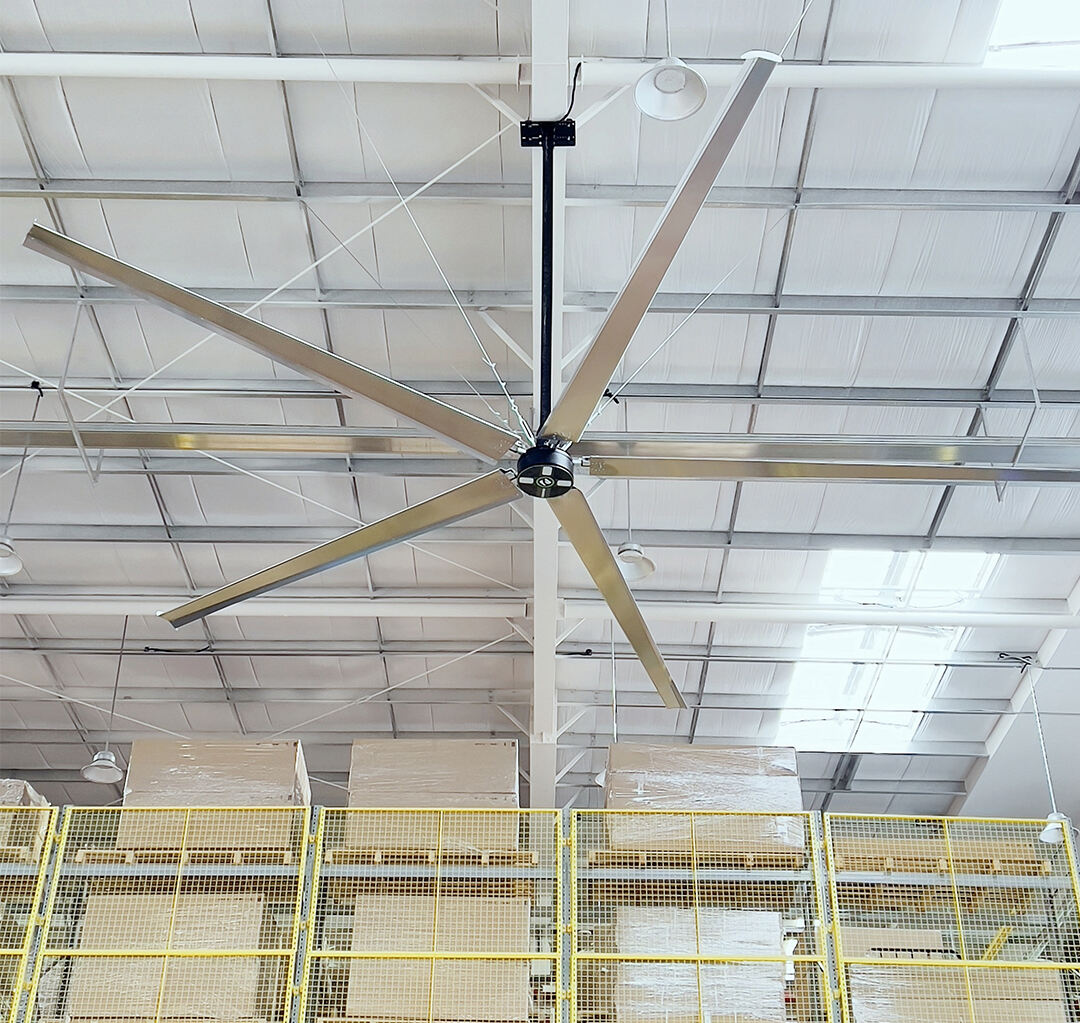
28
Oct
03
Nov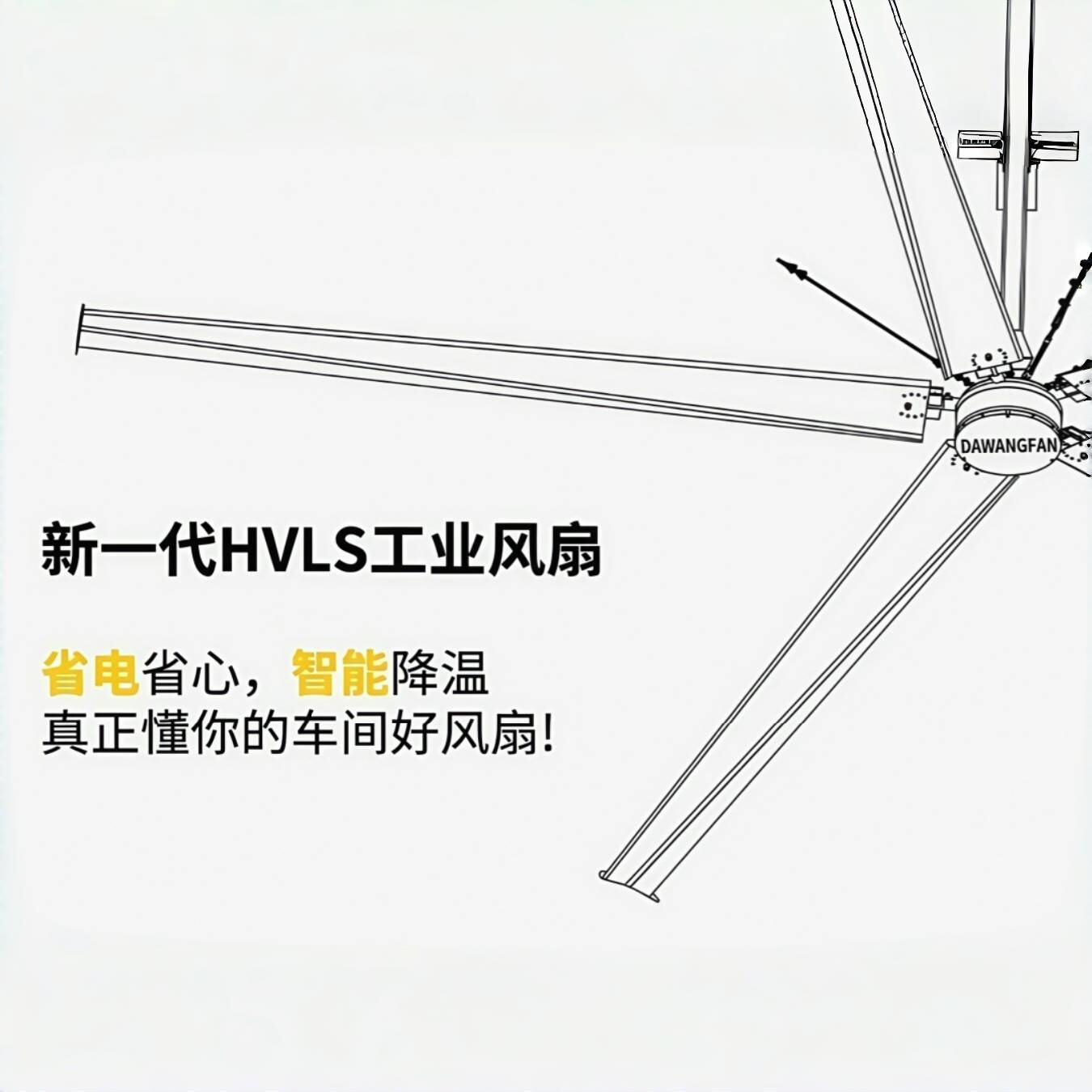
21
Oct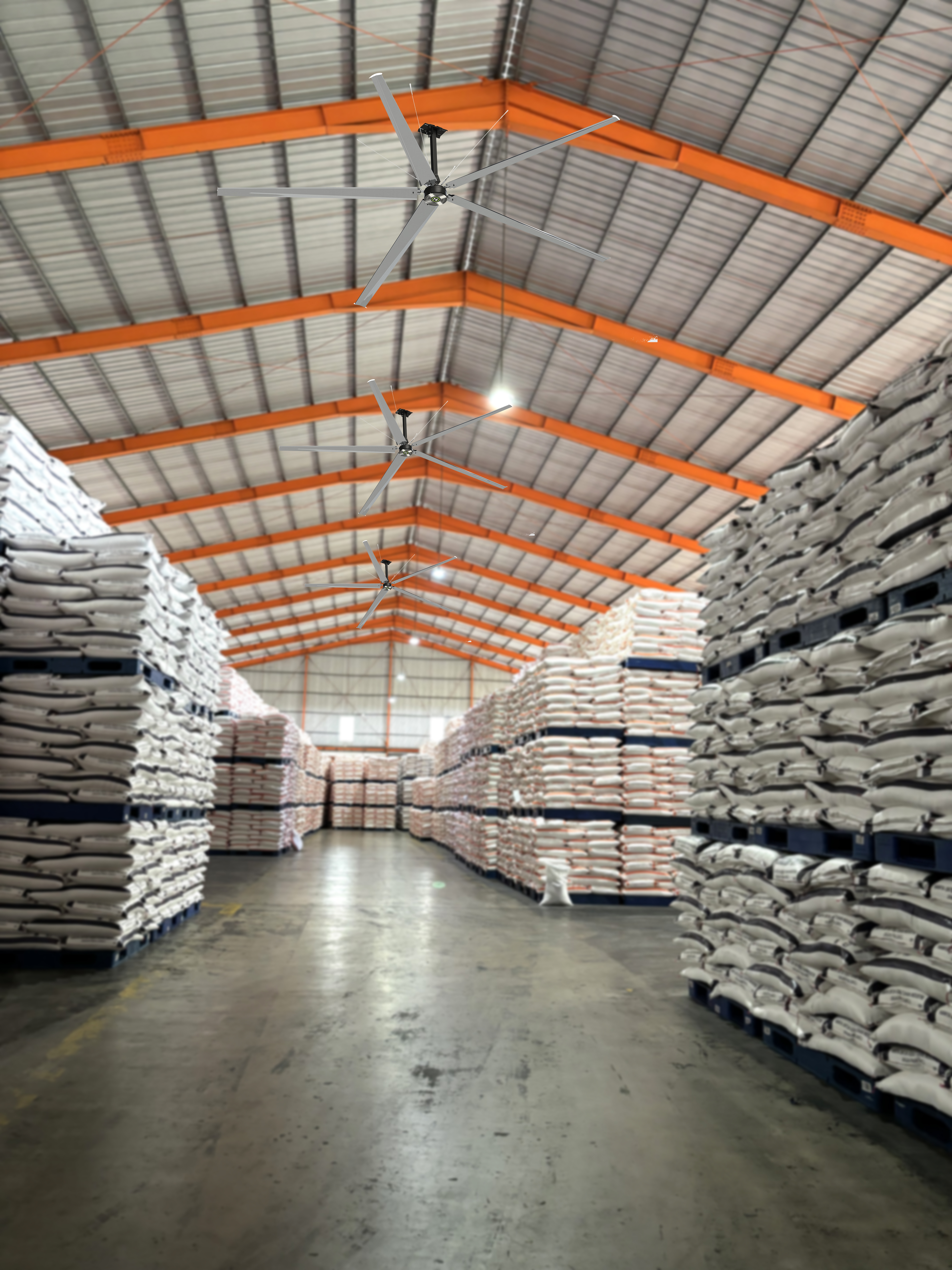
 EN
EN