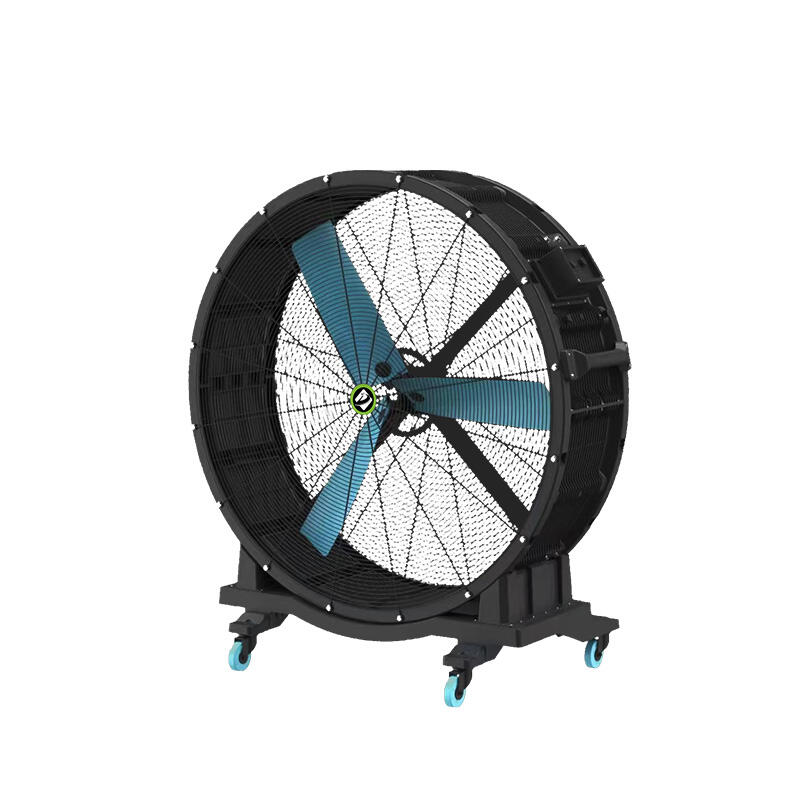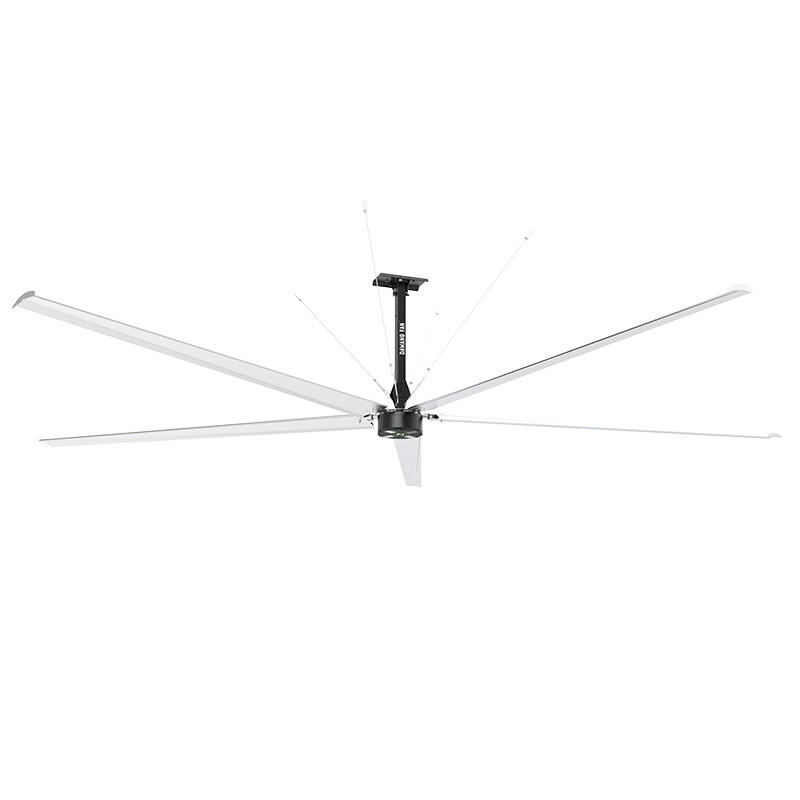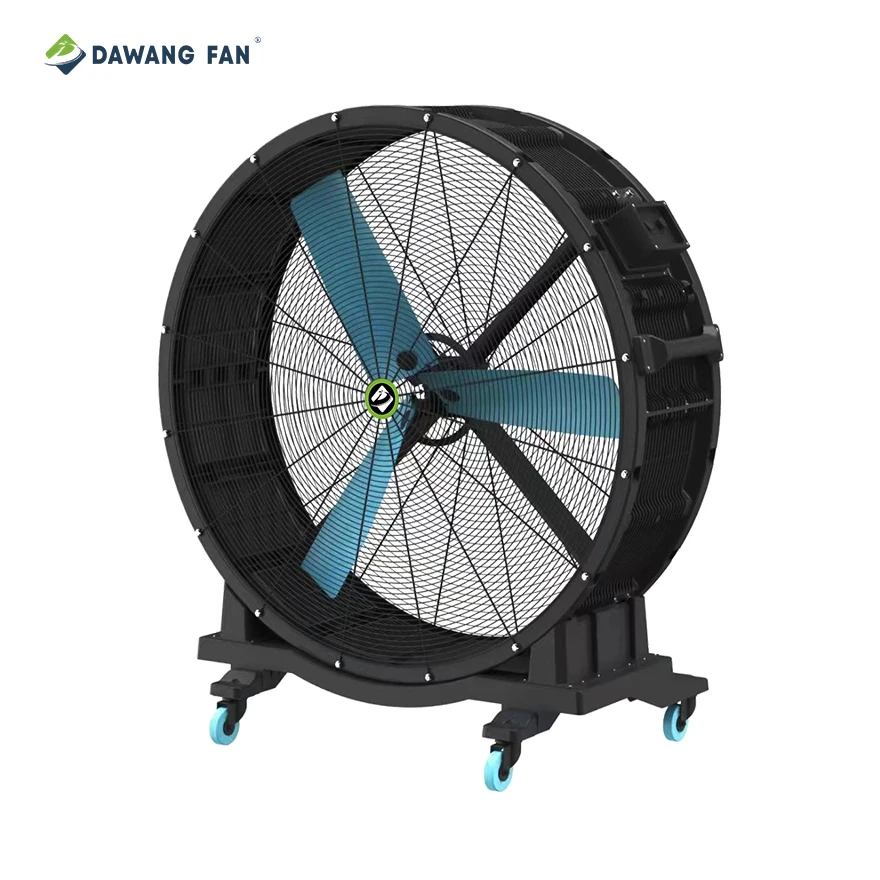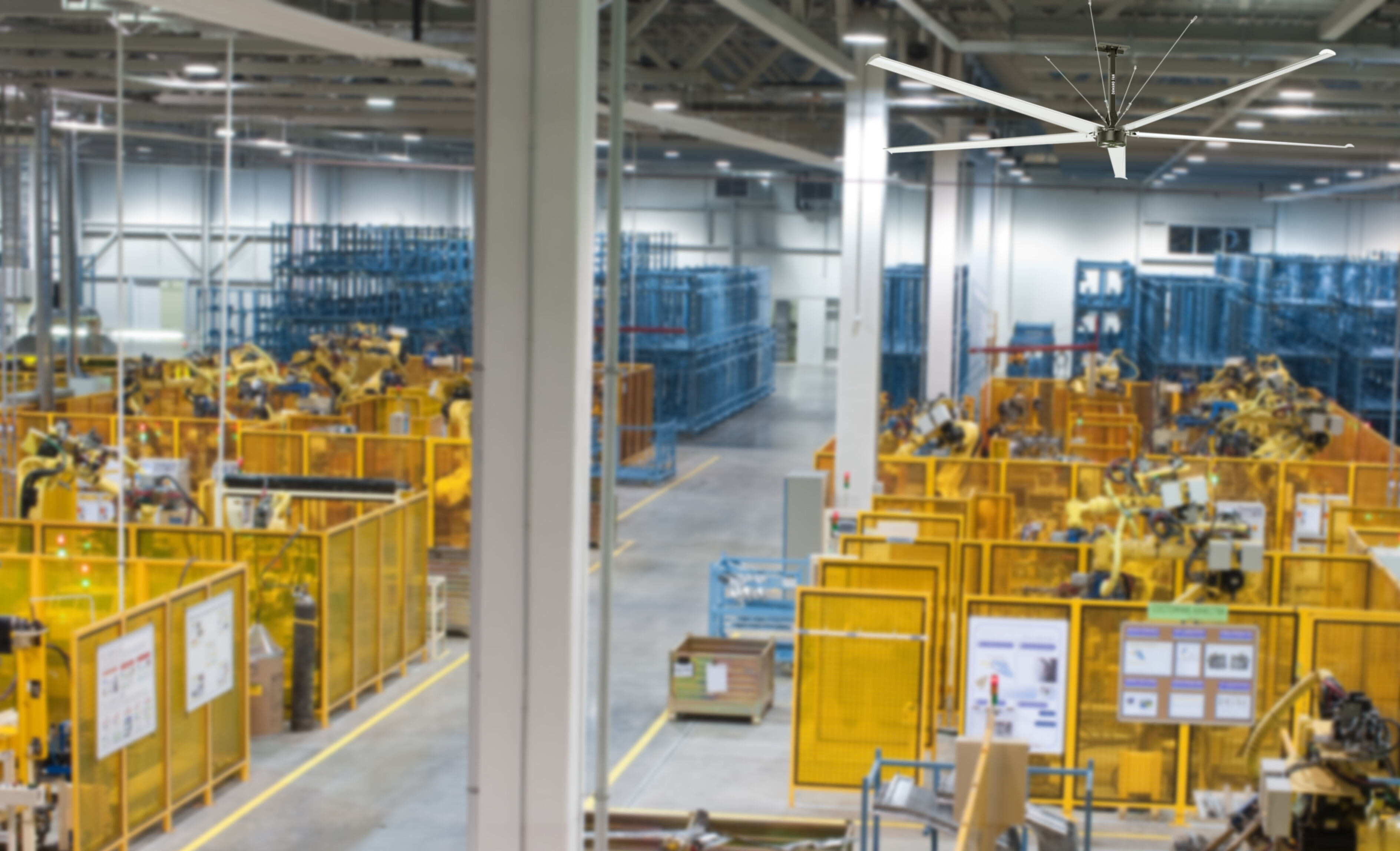
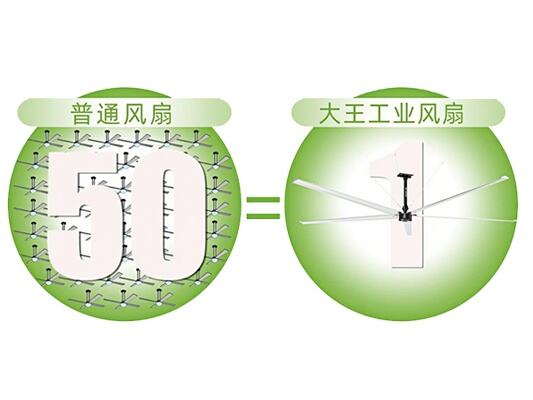
The pursuit of energy efficiency is a primary driver in industrial operations, and the energy saving big industrial fan is a key technology for reducing a facility's carbon footprint and operational costs. The energy savings are realized through several mechanisms, with the most significant being the prevention of thermal stratification. By mixing the hot air trapped at the ceiling with the cooler air below, these fans create a more uniform temperature, which can lead to a reduction in heating energy consumption by up to 30% during colder months. In summer, the effective cooling provided by air movement allows for the raising of thermostat setpoints for air conditioning systems, which can reduce cooling energy consumption by 20% or more. The second mechanism is the inherent efficiency of the fan's own operation. Modern energy-saving fans utilize highly efficient Permanent Magnet Synchronous Motors (PMSM) that convert electrical energy into mechanical motion with minimal losses, often operating at efficiency levels above 90%. When combined with aerodynamically optimized blades that move more air per rotation, the overall system can move a vast amount of air for a very small amount of electricity—a single large fan may consume less than 1.5 kW while cooling an area of 20,000 square feet. This represents a fraction of the energy required by an array of traditional high-speed fans or air conditioning units to achieve a similar level of comfort. The return on investment is typically very rapid, often within one to two years, after which the energy savings contribute directly to the bottom line. To obtain a customized estimate of the potential energy savings for your facility, we encourage you to contact our energy specialists for a detailed audit and report.
01
Sep
08
Sep
03
Nov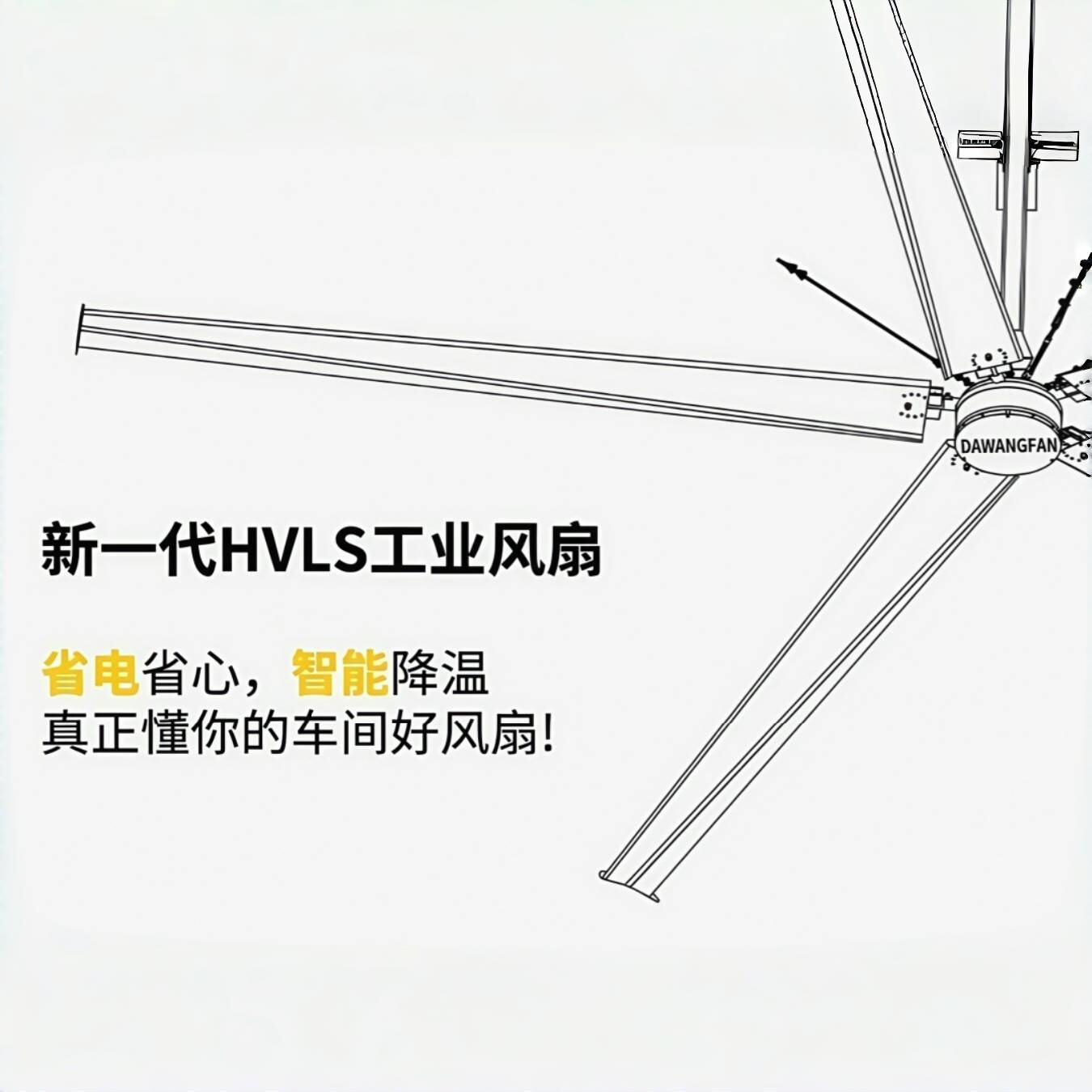
21
Oct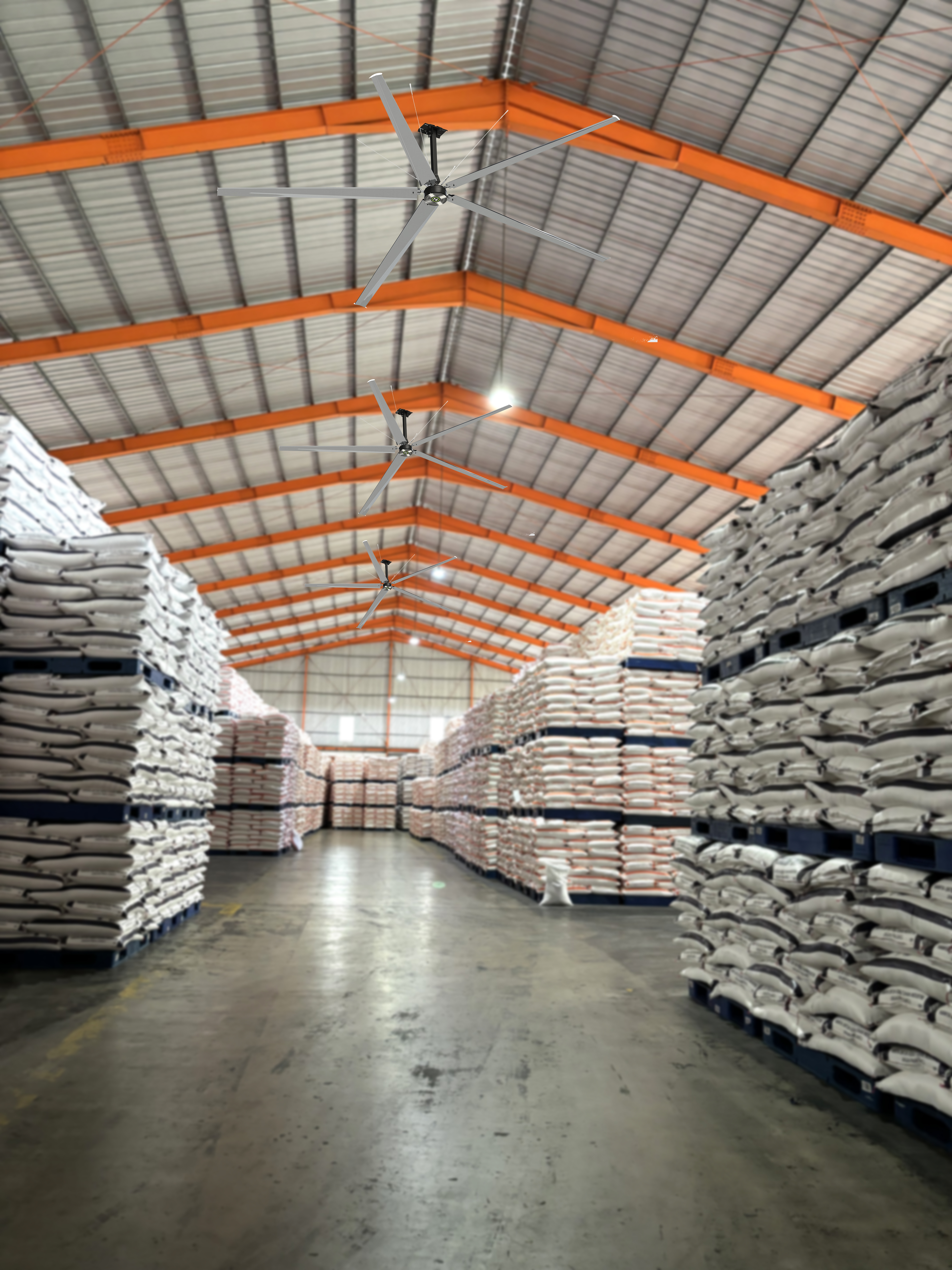
 EN
EN